Clean Rivers Cooperative is committed to staying at the forefront of spill‑response readiness, and one of the ways we do that is by actively participating in key industry associations. These partnerships ensure that both the Cooperative and our members remain informed, connected, and prepared for the evolving challenges of spill response.
One of our most valuable affiliations is with the Association of Petroleum Industry Co‑Op Managers (APICOM). Through APICOM, Clean Rivers Cooperative contributes to and benefits from a broad network of professionals dedicated to strengthening response capabilities across North America.
A major part of this work happens within the APICOM Health, Safety, Environment and Training (HSET) Committee. The committee’s mission is straightforward but essential: to share information, tools, and best practices that promote safe operations, enhance response readiness, and support continuous improvement across response organizations.
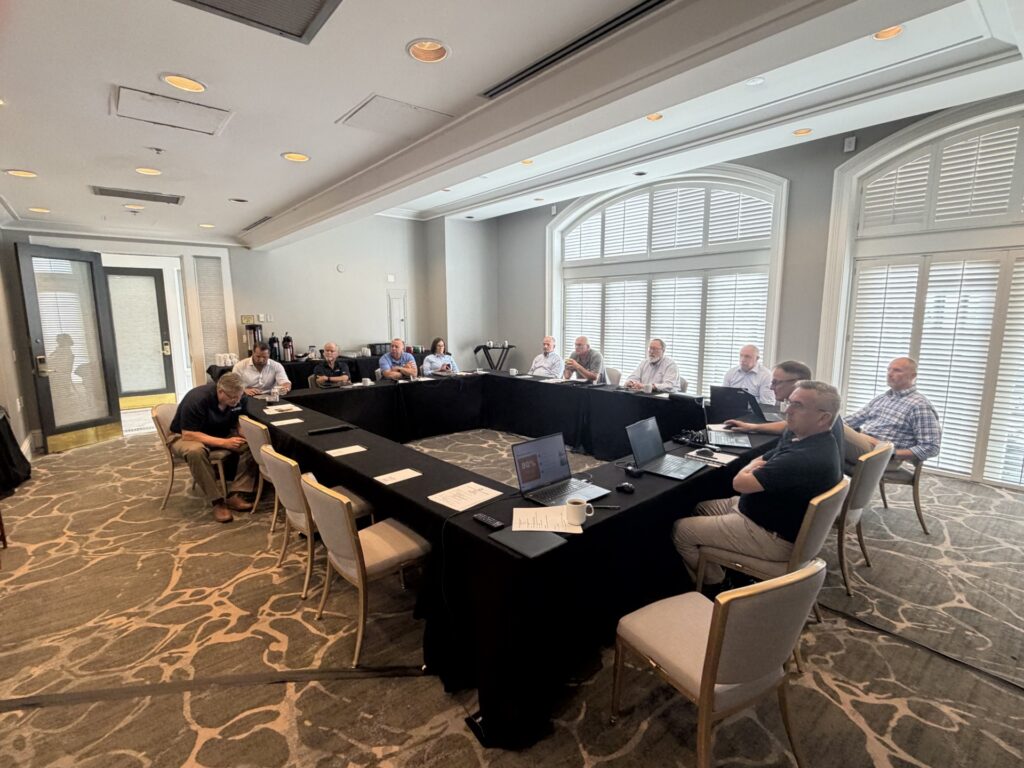
HSET brings together OSRO professionals from across the US and Canada, meeting virtually each quarter and gathering in person once a year. This diverse membership creates a rich environment for exchanging knowledge—everything from regulatory updates and lessons learned to new HSE technologies, risk‑assessment techniques, and practical tools such as policies, procedures, and forms.
Clean Rivers Cooperative is represented on the committee by Operations Manager Carl Boelter, who attended the 2026 annual meeting in New Orleans April 22nd through the 24th. This meeting also marked the conclusion of Carl’s term as Committee Chair; a role now passed to Gord Anderson of Western Canada Marine Response Corporation (WCMRC).
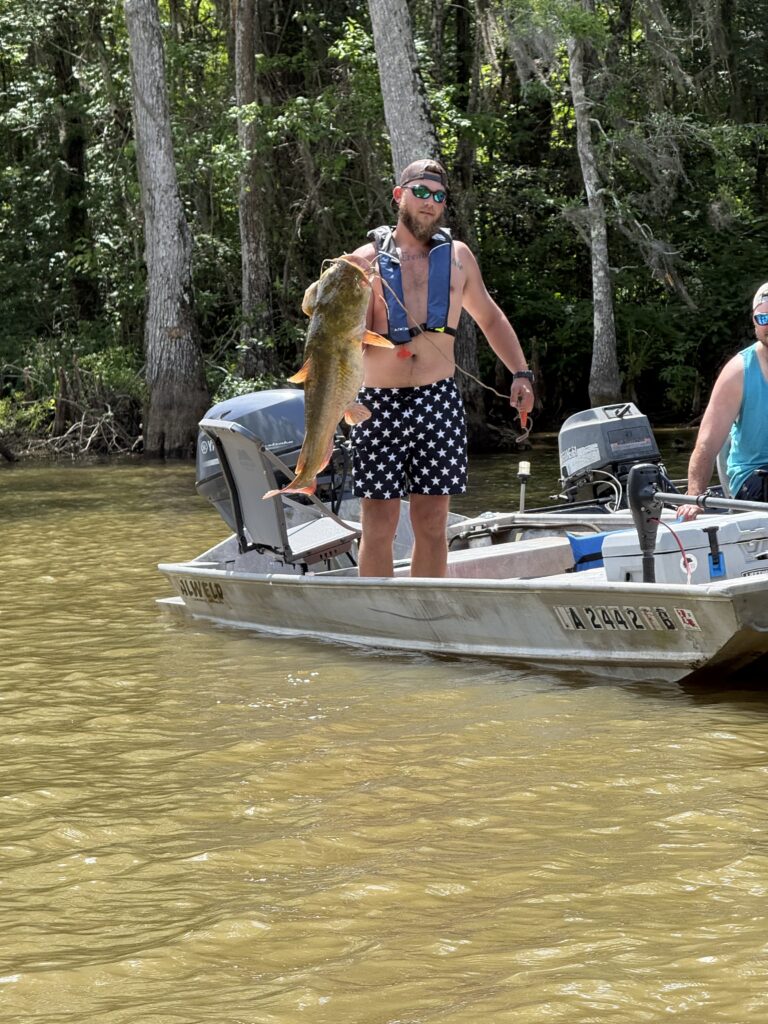
The 2026 HSET agenda featured a demonstration of a site‑assessment tool developed by the Southeast Alaska Petroleum Response Organization (SEAPRO). Members also engaged in a thoughtful discussion on improving safety risk assessments—specifically, how to shift from lengthy, checkbox‑driven documents to more meaningful, quality‑focused evaluations that reduce “check‑box fatigue” and strengthen real‑world safety outcomes. After the business concluded the HSET Committee members enjoyed a swamp tour as a team building exercise.
Clean Rivers Cooperative also plays a key role in APICOM’s broader governance. The Cooperative serves as Treasurer and is represented at the organization’s annual Business Meeting. In 2026, the meeting was held on April 28 and 29 in Galveston, Texas, with Business Manager Polly Hyke attending on behalf of Clean Rivers.
The Business Meeting featured several informative presentations, including:
- Cybersecurity insights from representatives of Western Canada Marine Response Corporation (WCMRC), who shared lessons learned from a cyber threat they experienced in 2025.
- A presentation from Michelle Bellizzi of International Bird Rescue, highlighting the organization’s work and their collaboration with Clean Rivers during a wildlife response in Medford, Oregon in 2022.
- An introduction to Tiepoint, a Norway‑based organization developing AI‑driven drone analytics for aerial oil‑detection—an emerging technology with promising applications for spill response.
- An update on regulations related to the use of dispersants from Michael Beuthe of the EPA.
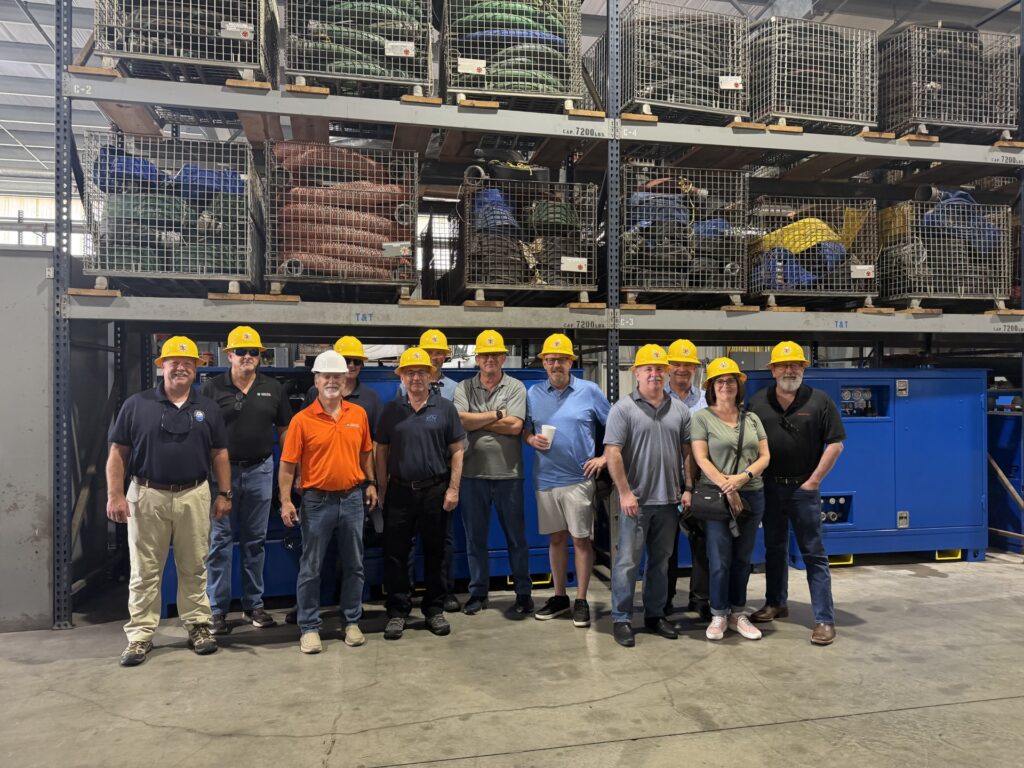
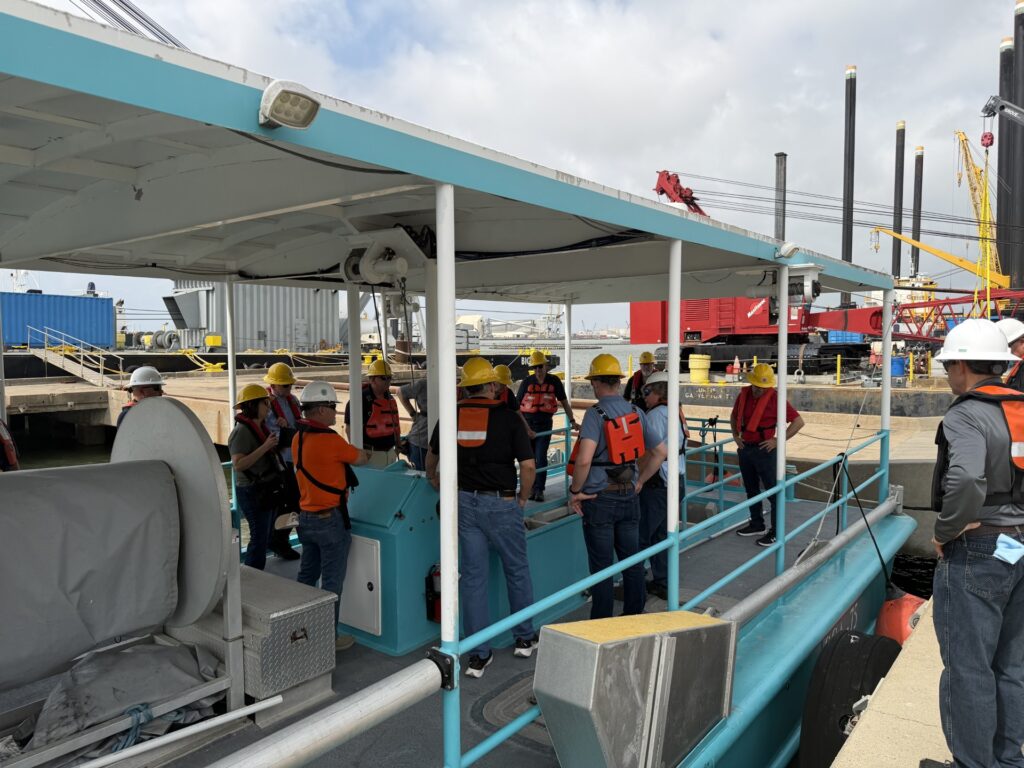
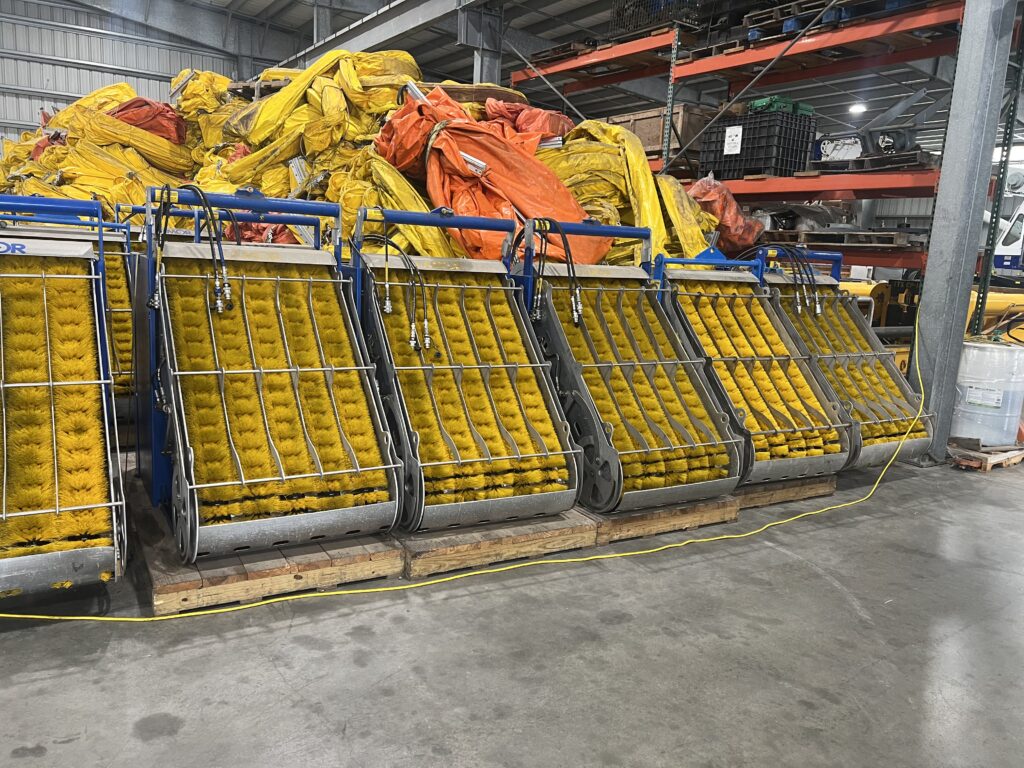
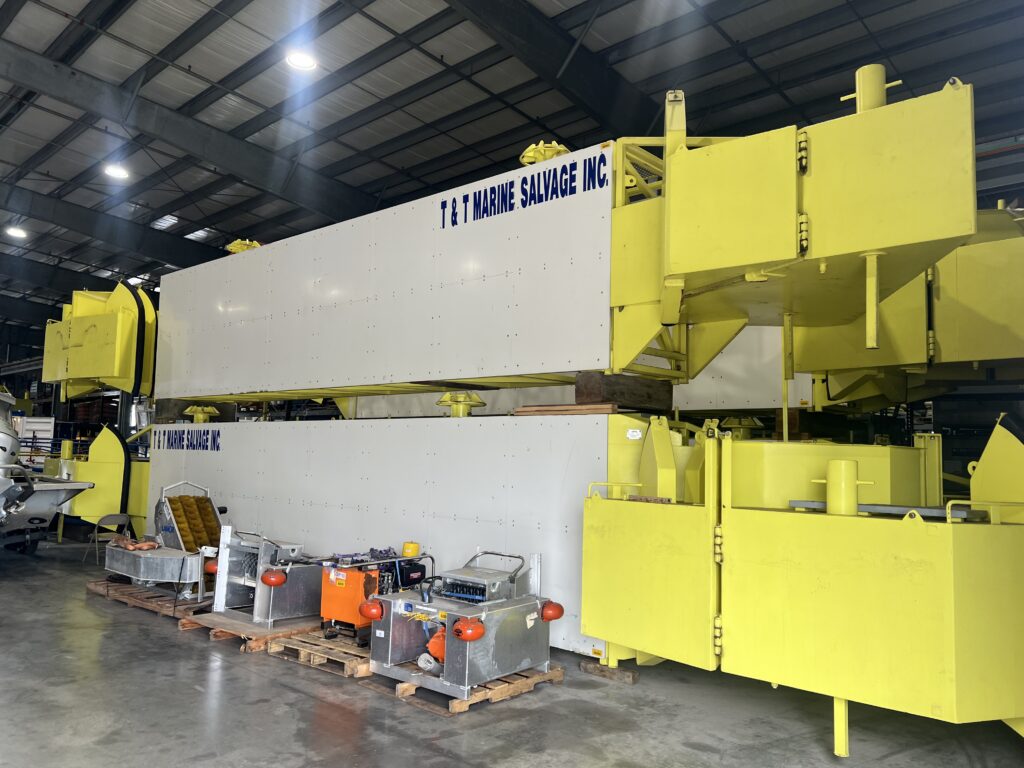
On the second day, attendees toured the T&T Offshore facility and equipment yard in Galveston. T&T Offshore is an international, USCG‑recognized marine firefighting and salvage organization that also provides contracted personnel for Clean Gulf Association (CGA). The tour included access to CGA’s Oil Spill Recovery Vessels (OSRVs) and Marine Spill Response Corporation’s (MSRC) Galveston‑based OSRV Ocean Defender, offering participants a firsthand look at the capabilities and assets supporting regional response readiness.
Clean Rivers Cooperative is proud to contribute to these industry‑wide efforts. Our involvement in APICOM and HSET ensures that our members benefit from the latest insights, innovations, and best practices in spill‑response readiness.